

Water heater expansion tanks: do you need one?
A water heater expansion tank is the small tank mounted on the water line above many water heaters. It is easy to overlook, and when it fails, the water heater and the rest of your plumbing take the strain.
A licensed Master Plumber on every job
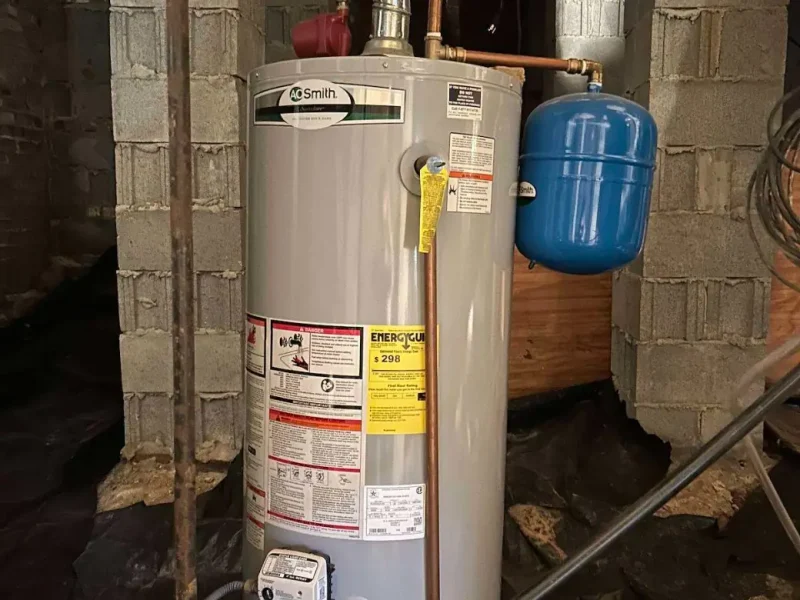
What does a water heater expansion tank do?
A water heater expansion tank absorbs the extra volume of water created when it heats. In homes with a closed plumbing system, where a check valve, backflow preventer or pressure regulator stops water from flowing back to the street, that extra water has nowhere else to go. Without an expansion tank, pressure spikes every heating cycle, stressing the heater, relief valve, fixtures and pipes.
- Absorbs thermal expansion
- Required on closed systems
- Protects the heater and fixtures
- Typically lasts 5 to 10 years
Why water needs somewhere to go
Water expands as it heats. A 50-gallon tank heated from cold grows by roughly half a gallon to a gallon. In older homes, that extra water simply pushed back into the city main. Today most homes have a check valve, backflow preventer or pressure regulator on the main line, which makes the system closed. The expansion tank gives that water a place to go: an air cushion inside the tank, separated from the water by a rubber bladder, compresses as the water expands.
Plumbing code requires a way to control thermal expansion on closed systems, which is why an expansion tank is installed with most new water heaters.
Signs your expansion tank has failed
Look for:
- A dripping temperature and pressure relief valve
- Water pressure that jumps when the heater runs
- Faucets that spurt or toilets that run after heating
- Water from the tank's air valve when pressed
- A tank that feels full and heavy all the way up
- Rust or a leak at the tank's connection
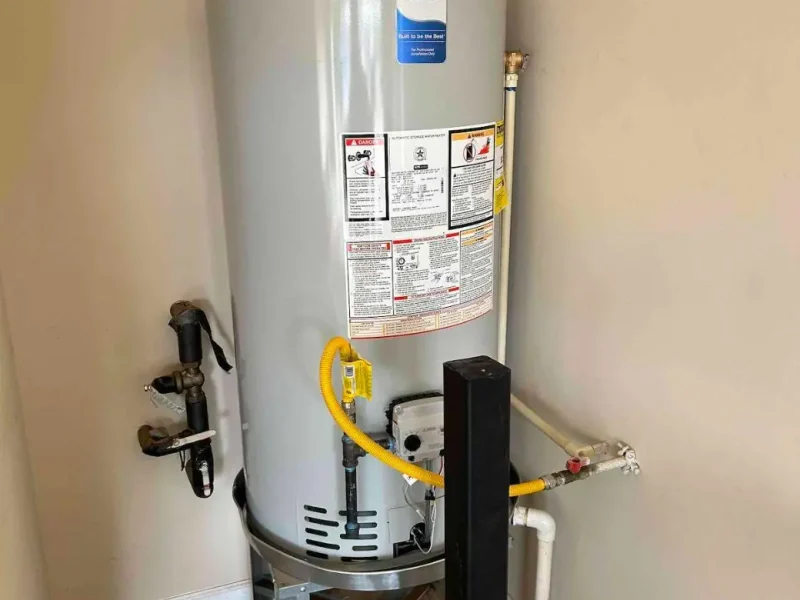
How to check yours
Tap the tank. The top half should sound hollow; if it sounds solid all the way up, it may be full of water. On the end of the tank is an air valve like a tire valve. Press it briefly: air is good, water means the bladder has failed and the tank needs replacement. The air pressure in the tank should match your home's water pressure, which a plumber sets when installing it.
Replacement
Expansion tanks are sized to the water heater and your water pressure, pre-charged to match, and supported so their weight does not strain the pipe. Replacement is usually a short job, and we often do it during a water heater replacement or a maintenance visit. If your relief valve has been dripping, we check the expansion tank, the pressure and the thermostat together.
Water heater expansion tank: common questions
Do I need an expansion tank?
If your home has a check valve, backflow preventer or pressure regulator on the main line, yes. Most homes in the Upstate do.
How long do expansion tanks last?
Typically 5 to 10 years, depending on water pressure and quality.
What size expansion tank do I need?
It depends on the water heater size and your water pressure. A 2-gallon tank is common for a 40- or 50-gallon heater at normal household pressure.
Do tankless water heaters need an expansion tank?
Tankless units hold very little water, so many installations do not, but local code and the manufacturer's instructions decide.
Why is my relief valve dripping?
A failed or missing expansion tank is one of the most common causes, followed by high water pressure and a thermostat set too high.
Can a bad expansion tank damage my water heater?
Yes. Repeated pressure spikes strain the tank, relief valve and fittings and can shorten the heater's life.
Ready when you are
Tell us what's going on.
A Master Plumber will find the cause, explain it in plain terms, and put your options in writing before any work starts.
- A licensed Master Plumber on every job
- Serving the Upstate since 2010
- Written prices, every job