

Water pressure regulators: too high or too low?
Strong water pressure feels good in the shower, but pressure that is too high quietly wears out faucets, toilets, water heaters and appliances. A water pressure regulator keeps it in a safe range.
A licensed Master Plumber on every job
What does a water pressure regulator do?
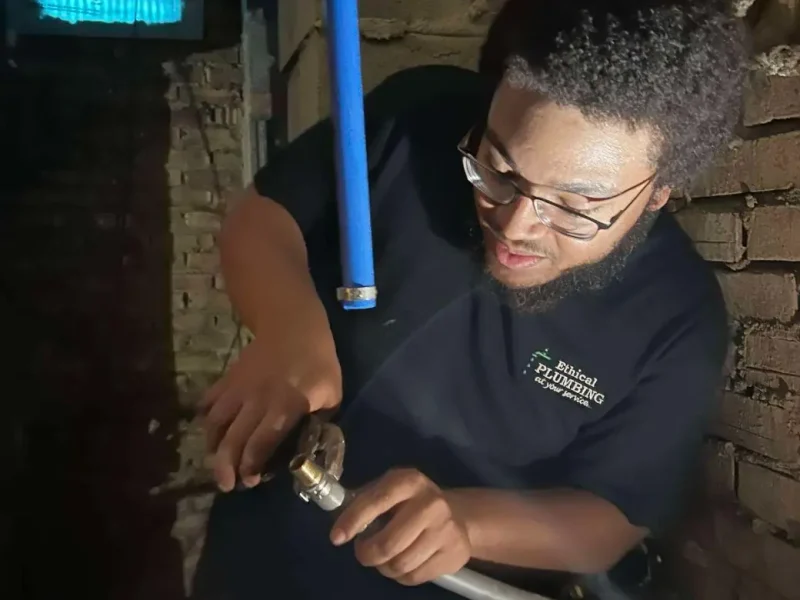
A water pressure regulator, also called a pressure reducing valve or PRV, sits on the main water line where it enters the house and lowers the pressure from the street to a safe level. Plumbing code limits household water pressure to 80 psi, and most regulators are set around 50 to 60 psi. When a regulator fails, pressure can climb high enough to cause leaks, running toilets and early appliance failure.
- Lowers street pressure
- Code limit: 80 psi
- Test with a hose gauge
- Most last 7 to 12 years
Test your water pressure
Get a gauge
A pressure gauge that screws onto a hose spigot costs about $10 at a hardware store.
Turn off the water
Make sure no faucets, toilets or appliances are running.
Read it
Screw it onto an outside spigot and open the spigot fully. Read the pressure.
Check again later
Pressure can change overnight. A reading above 80 psi, or one that climbs, needs attention.
Signs of high water pressure
Pressure is likely too high if you notice:
- Banging pipes when faucets shut off
- Toilets that run or refill on their own
- A dripping water heater relief valve
- Faucets and shower heads that drip
- Washing machine or dishwasher hoses that fail
- Water that spurts when a faucet opens
Why pressure is high in some Upstate homes
Water pressure depends on how far below the water tower or tank your home sits. In the hills around Greenville and the foothills, a home at the bottom of a slope can see street pressure well above what plumbing is built for, while a home near the top may have low pressure. A pressure regulator evens that out, but like any valve it wears. When it fails, pressure usually creeps up rather than dropping, which is why many homeowners do not notice until something leaks.
If your pressure is low
Low pressure everywhere can be a failing or misadjusted regulator, a partly closed main valve, a leak in the main water line, or old galvanized pipe clogged with rust, which repiping fixes. Low pressure at one fixture is usually a clogged aerator or cartridge. On a well, low pressure points to the pressure tank or pump.
Replacing a regulator
Replacing a pressure regulator takes a few hours. We install the right size valve, set it to a pressure that suits your home, and check the expansion tank, because lowering pressure and controlling thermal expansion work together. We leave a gauge reading on the invoice so you have a baseline.
Water pressure regulator: common questions
What is normal water pressure for a house?
Most homes do well around 50 to 60 psi. Plumbing code caps it at 80 psi.
Do I have a pressure regulator?
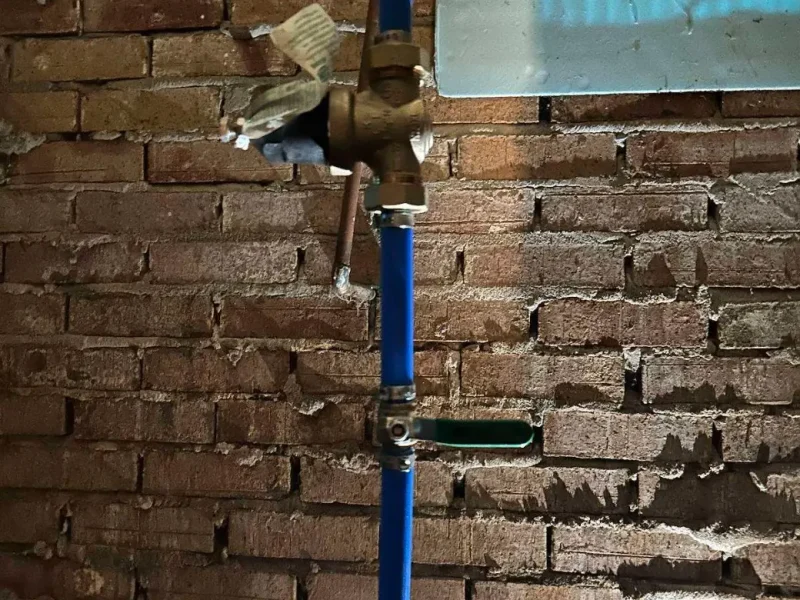
Look where the main line enters the house, often in the crawl space or near the water heater, for a bell-shaped brass valve with an adjusting screw on top.
How long does a pressure regulator last?
Typically 7 to 12 years, sometimes longer with good water.
Can I adjust my pressure regulator myself?
Small adjustments are possible, but if the pressure keeps creeping up, the valve is failing and adjusting will not fix it.
Why did my water pressure suddenly drop?
Check whether neighbors are affected. If not, suspect a failed regulator, a main line leak or a closed valve.
Does high pressure raise my water bill?
It can. Higher pressure pushes more water through every fixture and makes leaks worse.
Ready when you are
Tell us what's going on.
A Master Plumber will find the cause, explain it in plain terms, and put your options in writing before any work starts.
- A licensed Master Plumber on every job
- Serving the Upstate since 2010
- Written prices, every job