
Home plumbing maintenance checklist
Most expensive plumbing problems start small. This plumbing maintenance checklist, built around Upstate seasons, takes an hour or two a year and catches most of them early.
A licensed Master Plumber on every job
4.8from 593 Google reviews
What plumbing maintenance should homeowners do?
Homeowners should know where the main water shutoff is, flush the water heater once a year, test the toilets for silent leaks, check under sinks and around appliances for drips, clean drain stoppers, disconnect hoses and protect outdoor faucets before freezing weather, and check crawl spaces for leaks and standing water. A yearly professional inspection catches what is hard to see.
- Know your main shutoff
- Yearly water heater flush
- Seasonal checks
- Yearly inspection
Before anything else: find your shutoffs
In a burst pipe, every minute of running water costs money. Find your main shutoff now, usually where the water line enters the house, in the crawl space, garage or near the water heater, and make sure it turns. Also learn the shutoff at the meter box and the small valves behind each toilet and under each sink. Label them so anyone in the house can find them.
Spring
As the weather warms:
- Reconnect hoses and check outdoor faucets for leaks
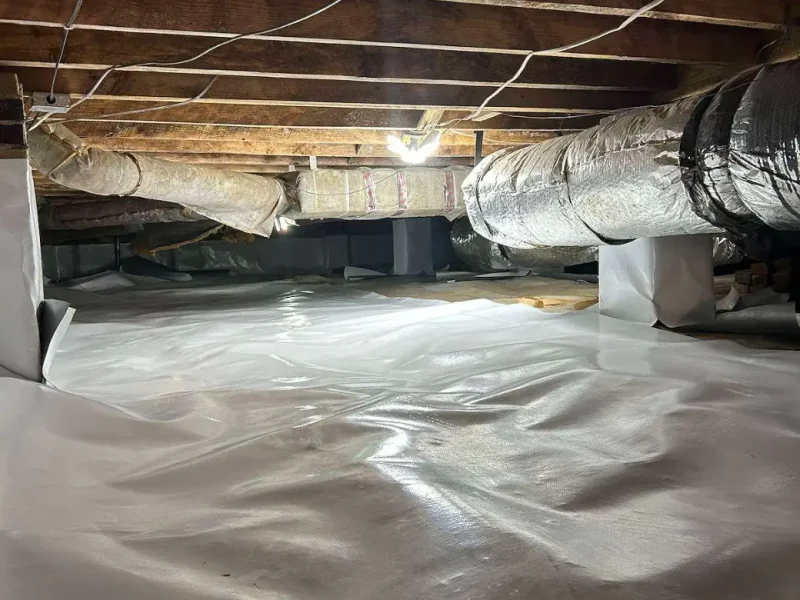
- Look for water in the crawl space after spring rains
- Test the sump pump, if you have one
- Check irrigation for broken heads and leaks
- Clean gutters so water drains away from the foundation
- Check the water heater and flush it if due
Summer
During heavy-use months:
- Check washing machine hoses for bulges and cracks
- Look under sinks for slow drips and stains
- Dye-test toilets for silent leaks
- Watch your water bill for unexplained jumps
- Clean shower heads and faucet aerators
- Keep grease out of the kitchen drain during cookouts
Fall
Before the first freeze:
- Disconnect and drain garden hoses
- Shut off and drain outdoor faucets that have a separate valve
- Insulate exposed pipes in crawl spaces, garages and attics
- Close crawl space vents if your home has them
- Have the water heater flushed and the relief valve tested
- Plan for vacation or second homes left empty
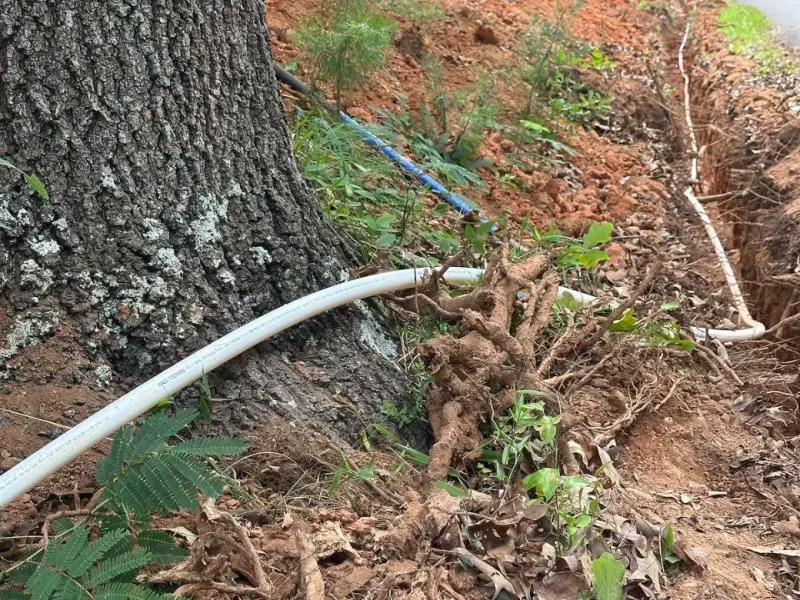
Winter
When temperatures drop below freezing:
- Keep the heat at 55°F or higher, even when away
- Open sink cabinets on outside walls on the coldest nights
- Drip faucets on outside walls during hard freezes
- Know where the main shutoff is before a pipe bursts
- Watch for low flow that can mean a frozen pipe
- Call before using any open flame to thaw a pipe
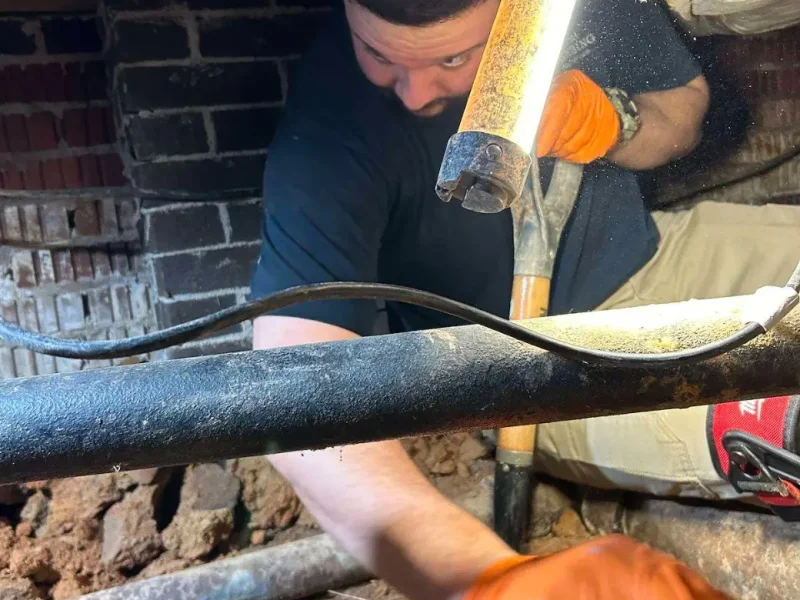
Once a year: a professional inspection
Some problems hide where homeowners do not look: a corroded supply line behind the toilet, a failing pressure regulator, a spent water heater anode, or a slow leak under the house. A yearly plumbing inspection catches them early. Members of our VIP Prevention Plan get that inspection every year, along with front-of-the-line scheduling.
Plumbing maintenance checklist: common questions
How often should a plumber inspect my home?
Once a year is a good rule, and before buying a home or after a major leak.
When should I disconnect my garden hoses?
Before the first hard freeze, usually by early November in the Upstate.
What temperature should I keep my house when I am away in winter?
At least 55°F. For long absences, shut off the main and have the lines drained.
Do I need to flush my water heater every year?
Yes, for most homes. It removes sediment and helps the heater last longer.
Where is my main water shutoff?
Usually where the water line enters the house, in the crawl space, garage, utility room or near the water heater.
Ready when you are
Tell us what's going on.
A Master Plumber will find the cause, explain it in plain terms, and put your options in writing before any work starts.
- A licensed Master Plumber on every job
- Serving the Upstate for 16+ years
- Written prices, every job